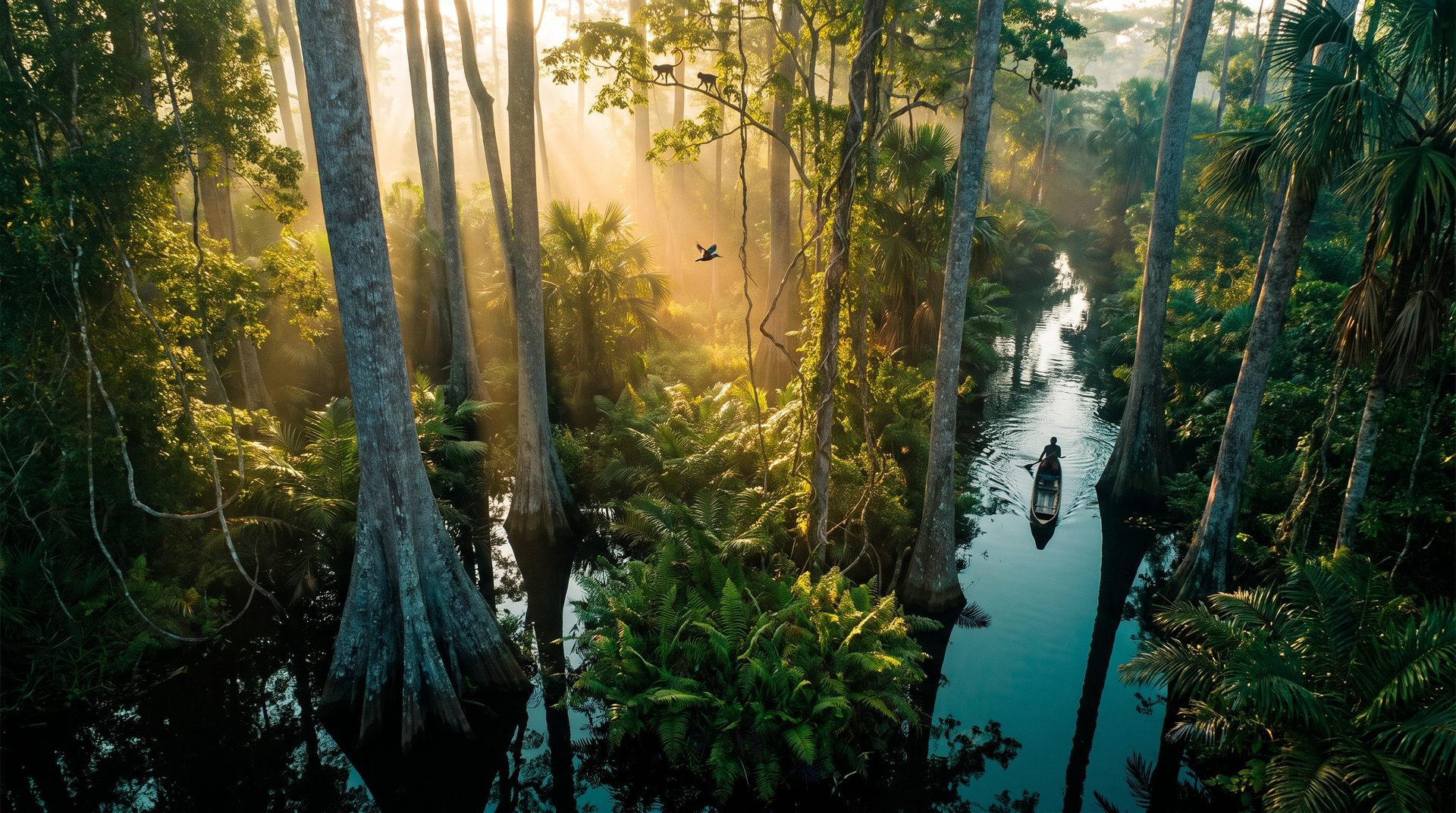
The living Delta
Africa's largest river delta, its second-largest swamp forest and the third-largest contiguous mangrove on Earth — and the Ijaw territory at its ecological core. This section records what lives here, what threatens it, and who is best placed to keep it alive.
Flagship article
The True Rulers: Endemic Wildlife of Ijaw Land and the Imperative of Indigenous-Led Conservation
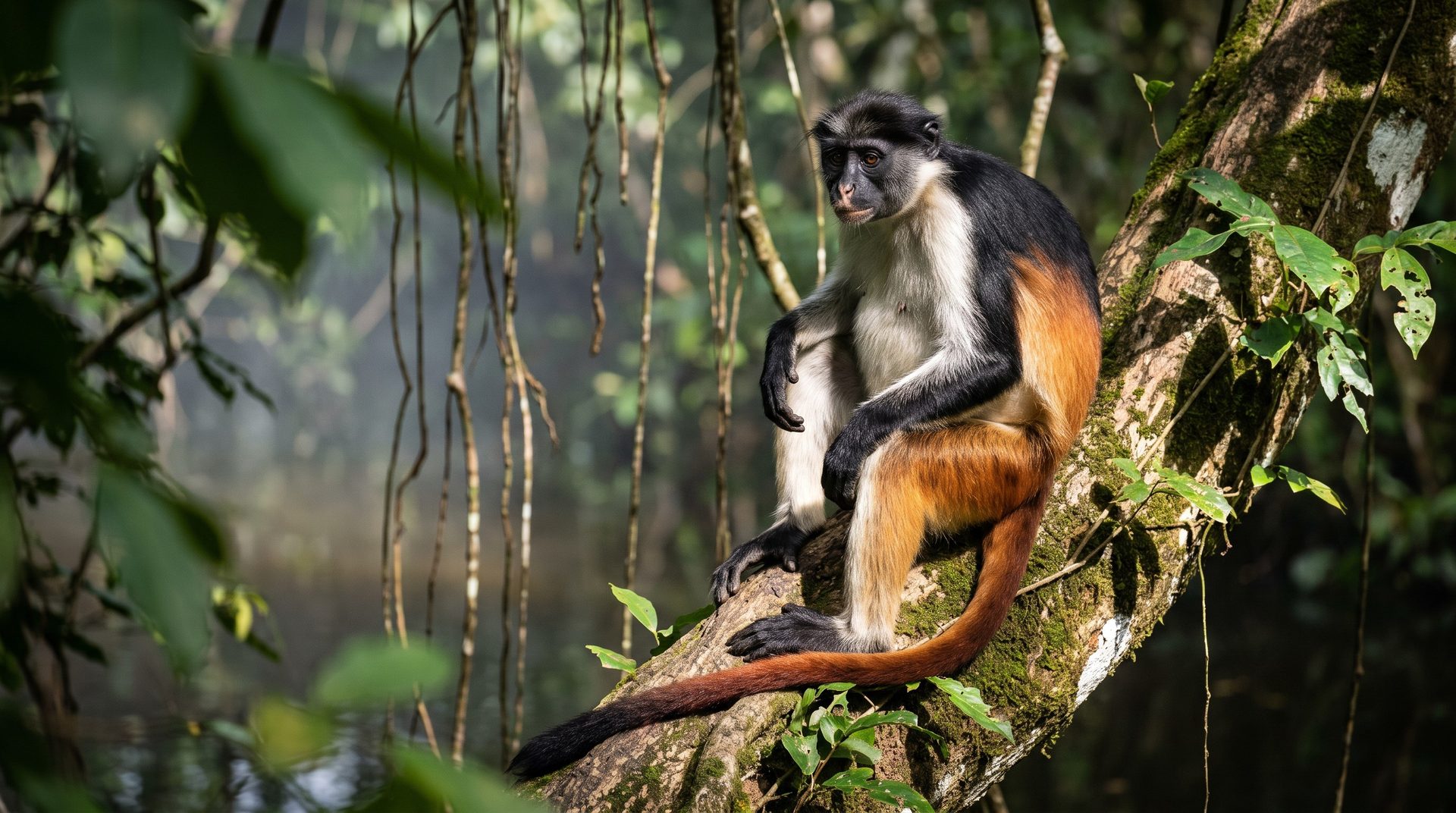
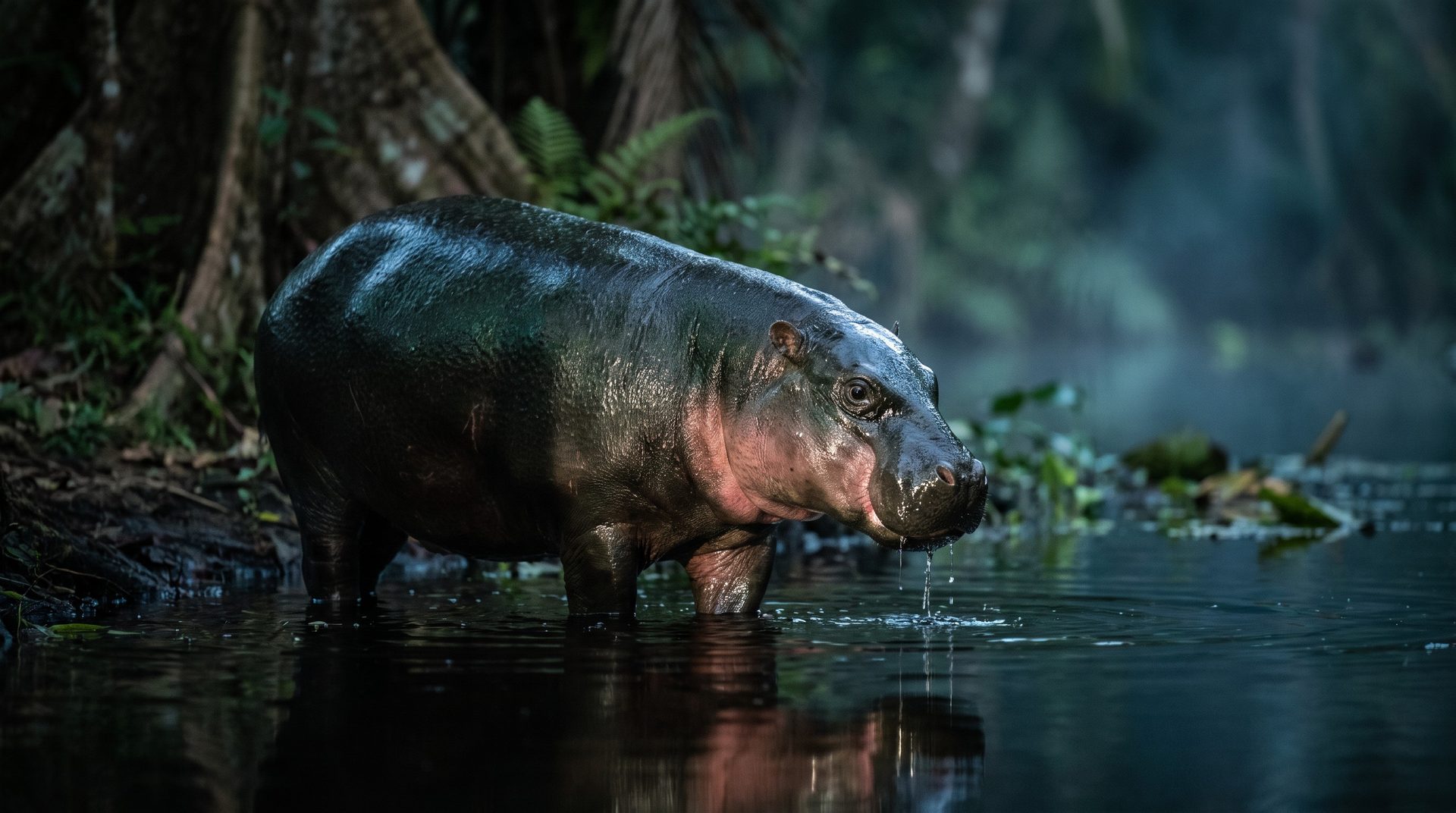
A monkey named in the Ijaw language, a hippo no scientist has ever seen alive, and a marsh forest that exists nowhere else. The species record, the mechanics of their decline, the totemic law that once protected them, and a working model for handing conservation back to the people who own the land.
Species record
Six animals of the marsh forest
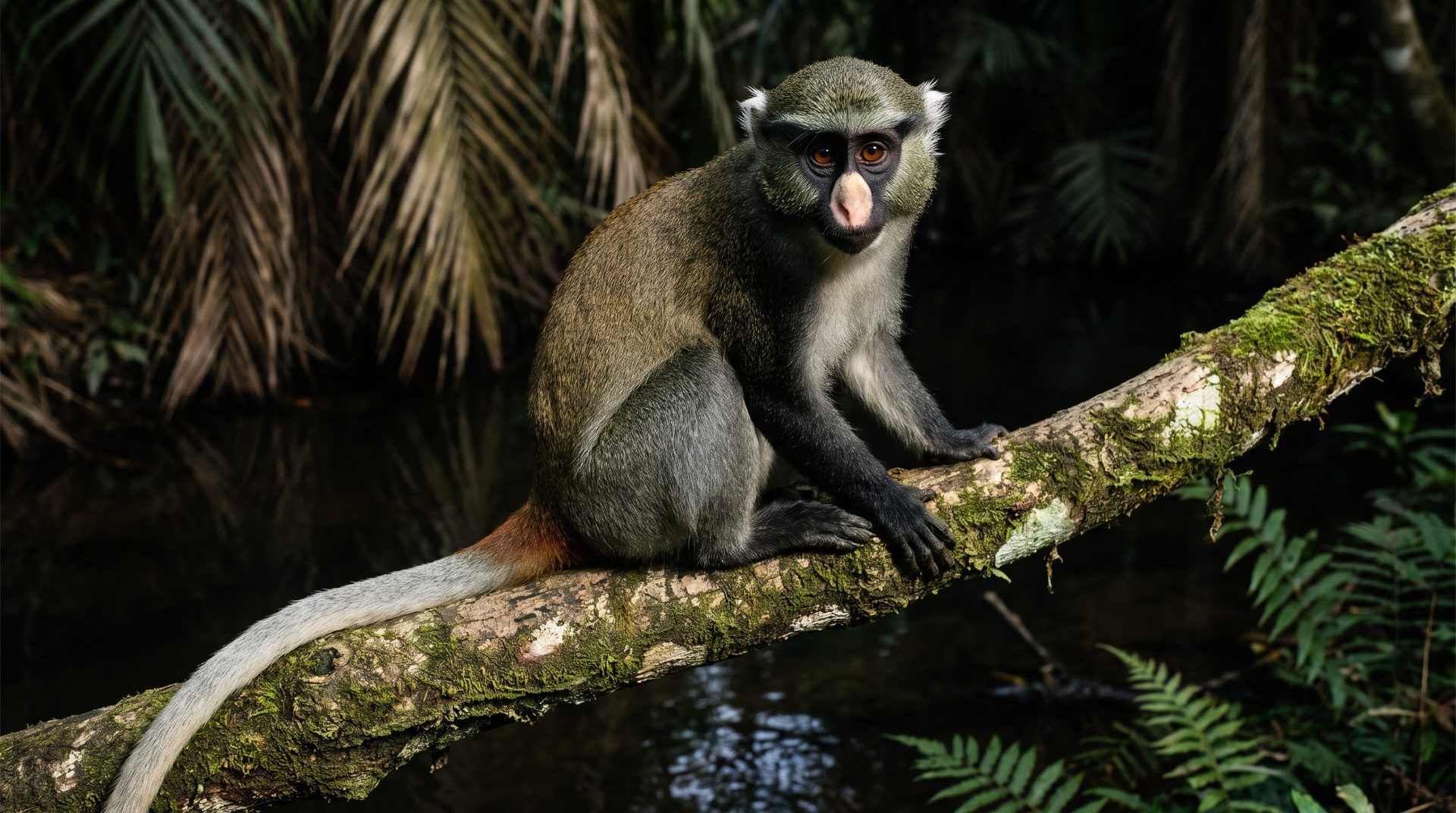
Reference plates for the flagship species of the Ijaw freshwater marsh forests. Each plate opens the corresponding profile in the article. Plates are AI-assisted reconstructions built from published scientific descriptions, made so that people can recognise animals most of us will never see.
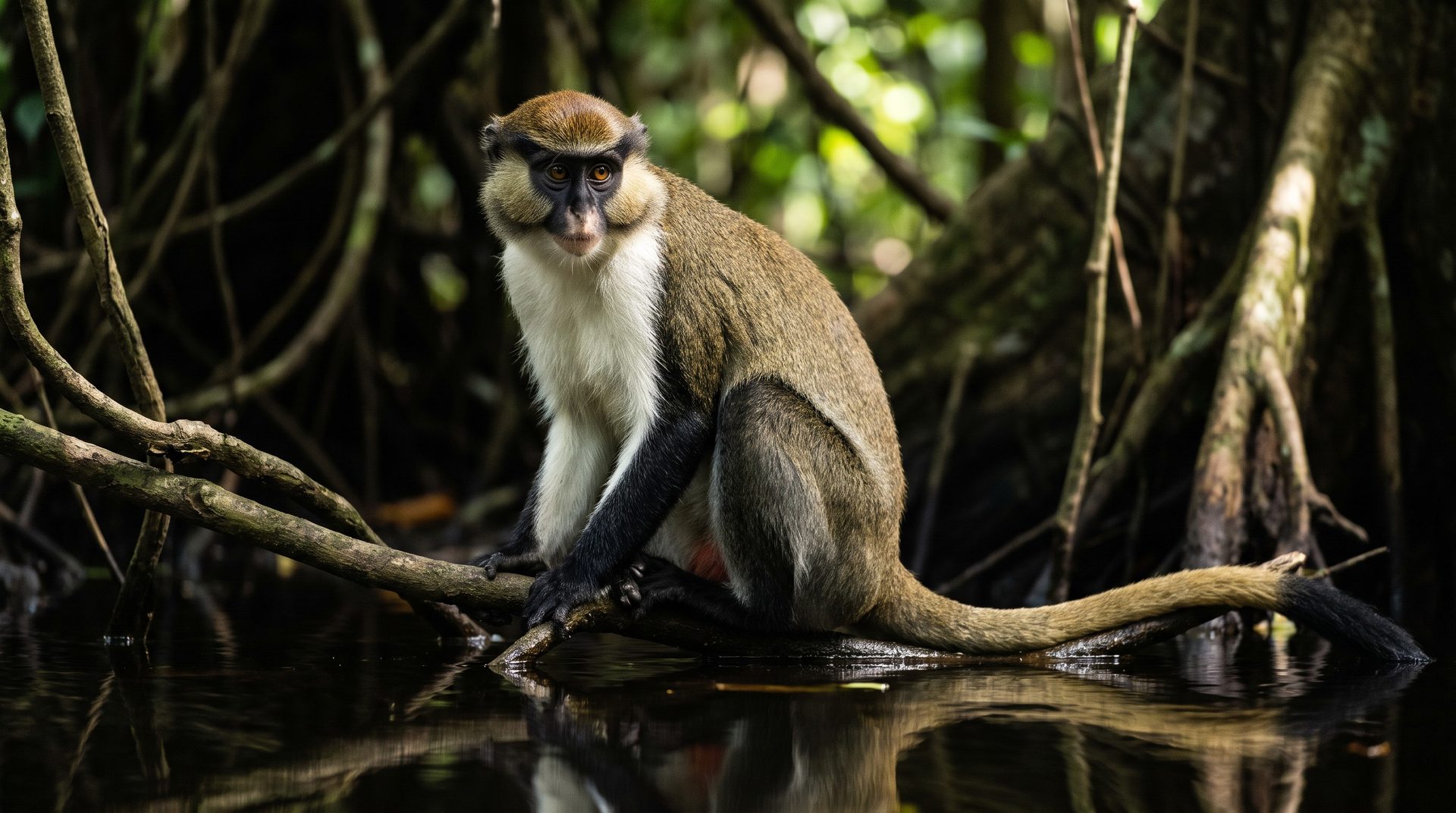
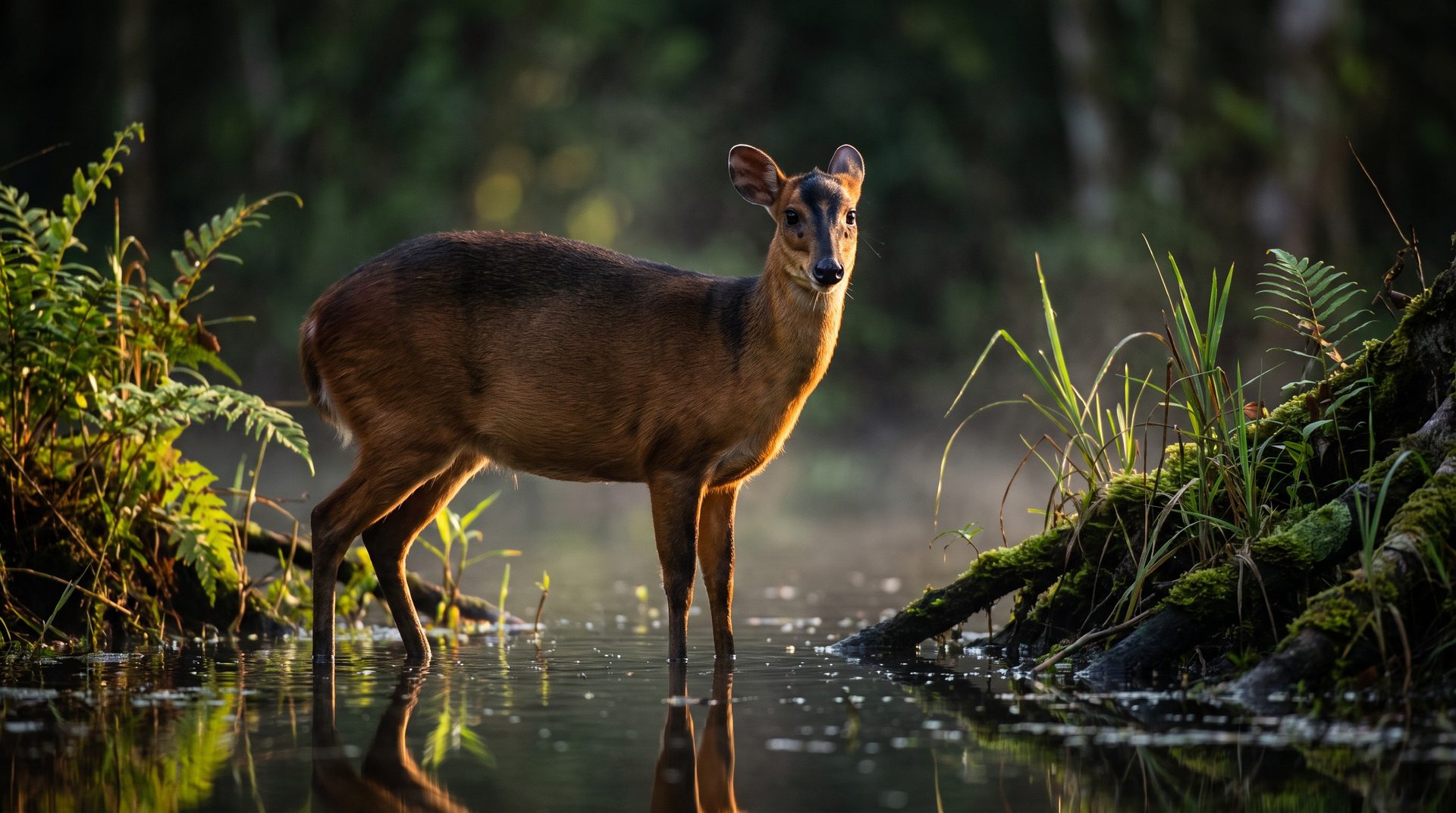
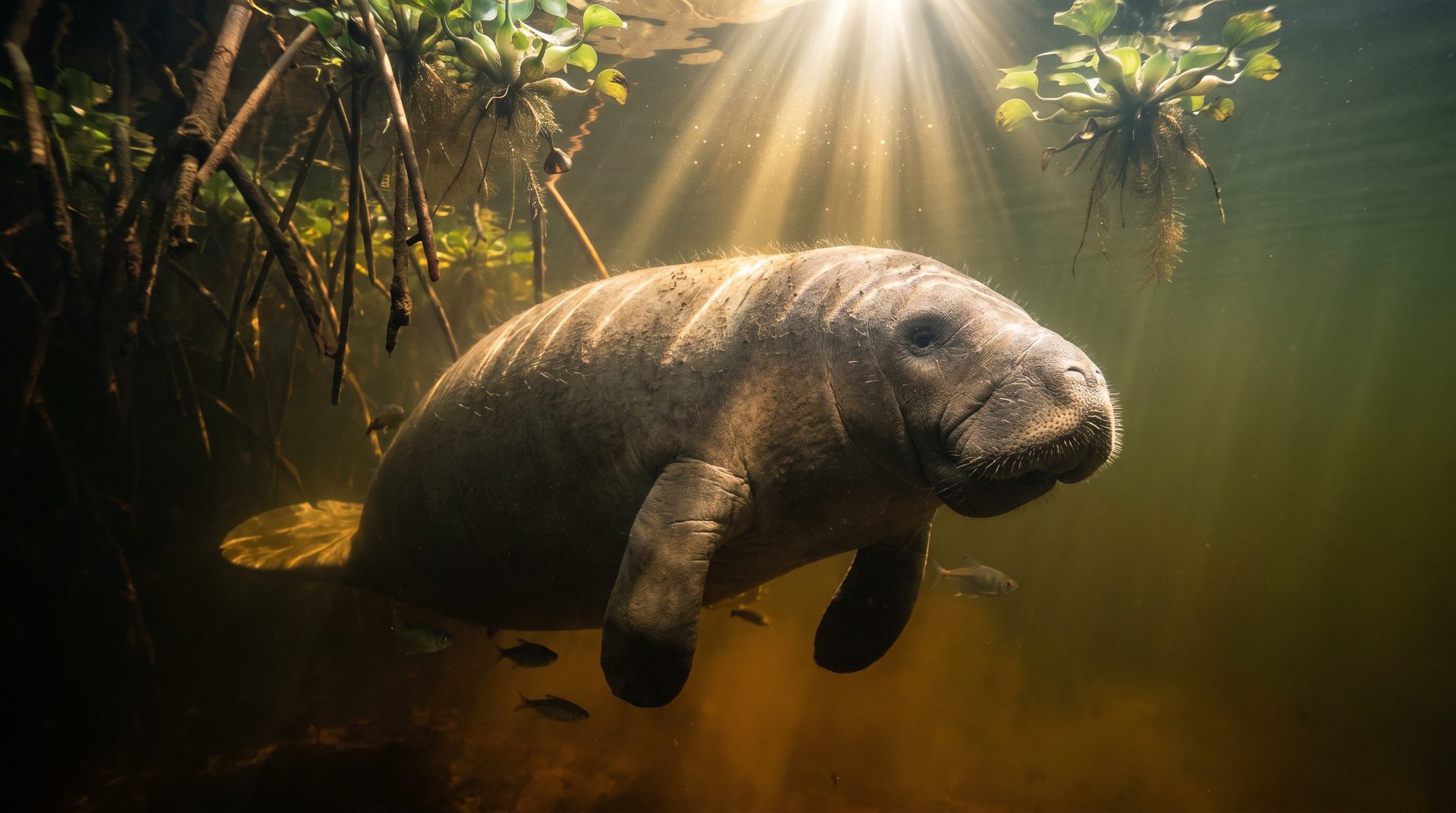
The pressure
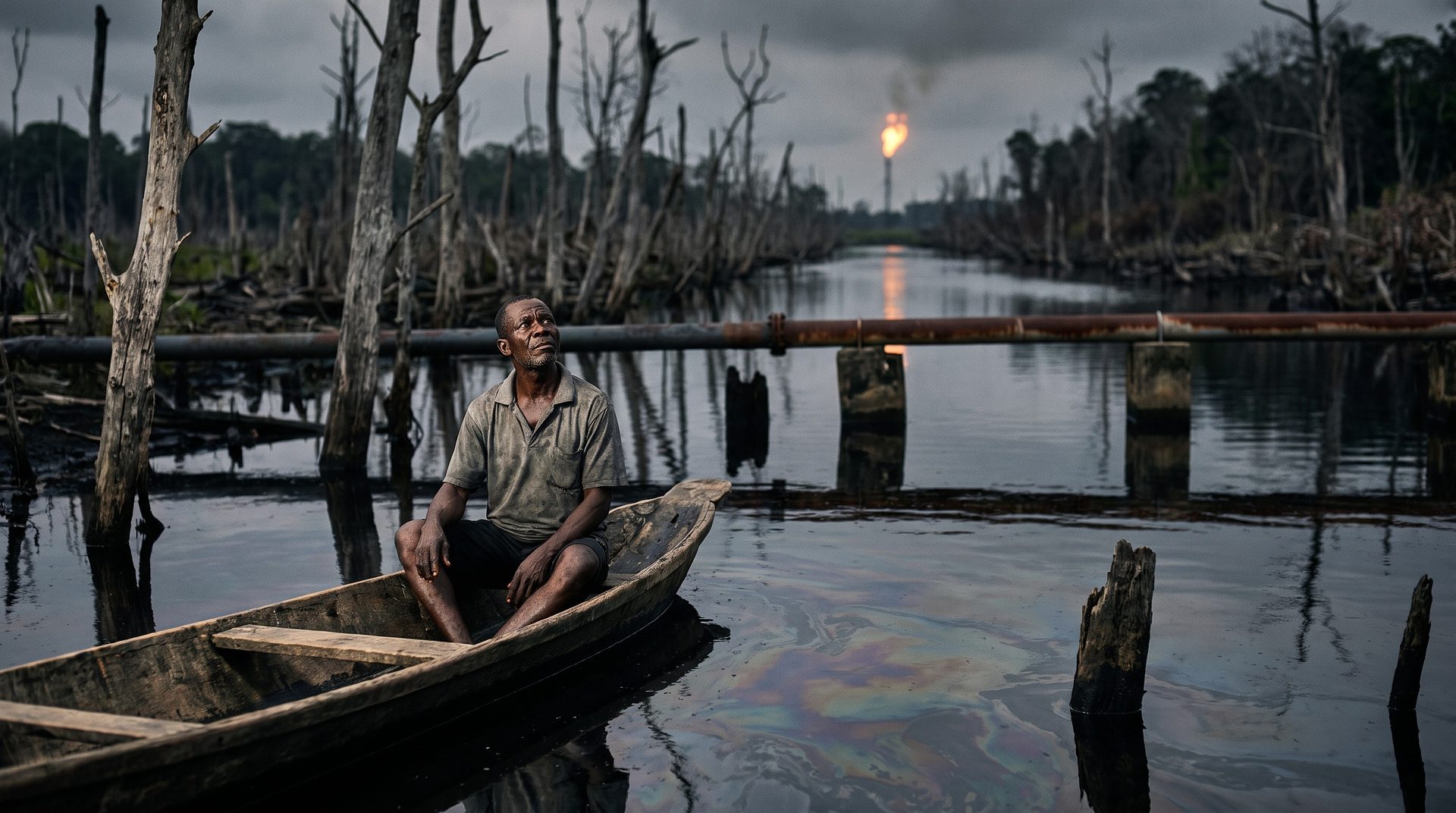
Canals cut for oil and timber access change the water the forest stands in and open the swamp to loggers. Abura, the red colobus's food tree, goes first; spills and hunting along the new tracks do the rest.
The response
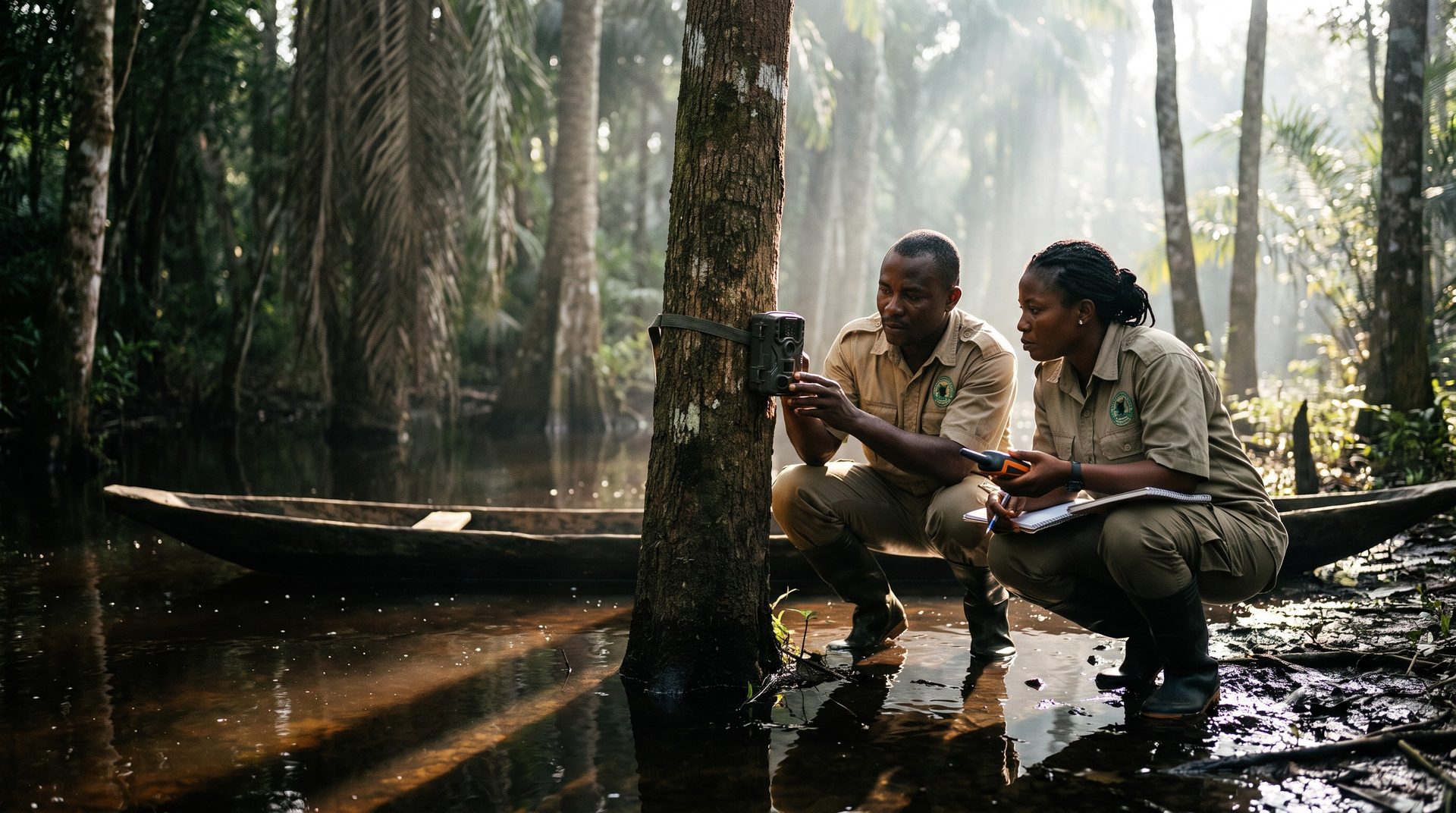
Community rangers from Apoi, Gbanraun and Kokologbene run the patrols and camera traps that state reserves never funded. Their cameras produced the first footage of the red colobus in early 2025, and the Apoi population has roughly doubled since 2021.
Across IjawConnect
Related reading
Oil & Land Timeline, 1938–2025
Twenty-four documented events from the first exploration licence at Oloibiri to the 2025 onshore handover.
The Restoration Compact
The community-authored terms for remediation, escrowed restoration funds and independent audit.
The Blue Frontier
A maritime economy built on living creeks: blue carbon, blue foods and the case against extraction-only growth.
Sacred Sites
Lakes, groves and creeks held under spiritual protection — the oldest protected-area network in the Delta.
Living Waters: The Seven Taboos
How prohibition, kinship with animals and seasonal closure regulated the take from river and forest.
Land Rights & Evidence
The statutory chain from the 1914 Mineral Oils Ordinance to the Land Use Act, and what it means for custodianship.
Contribute
Seen something? Record it.
Hunters, fishers and farmers hold the best current knowledge of what still lives in the creeks. Sighting reports, photographs and local names for animals all strengthen the record and the case for protection.