The Blue Economy and the Ijaw Nation
The global economic landscape is undergoing a fundamental shift from land-centric resource exploitation toward a comprehensive Blue Economy framework, which integrates the sustainable management of oceans, seas, and inland water resources. As the human population approaches 10 billion, the necessity of decoupling economic growth from environmental degradation becomes a survival imperative.
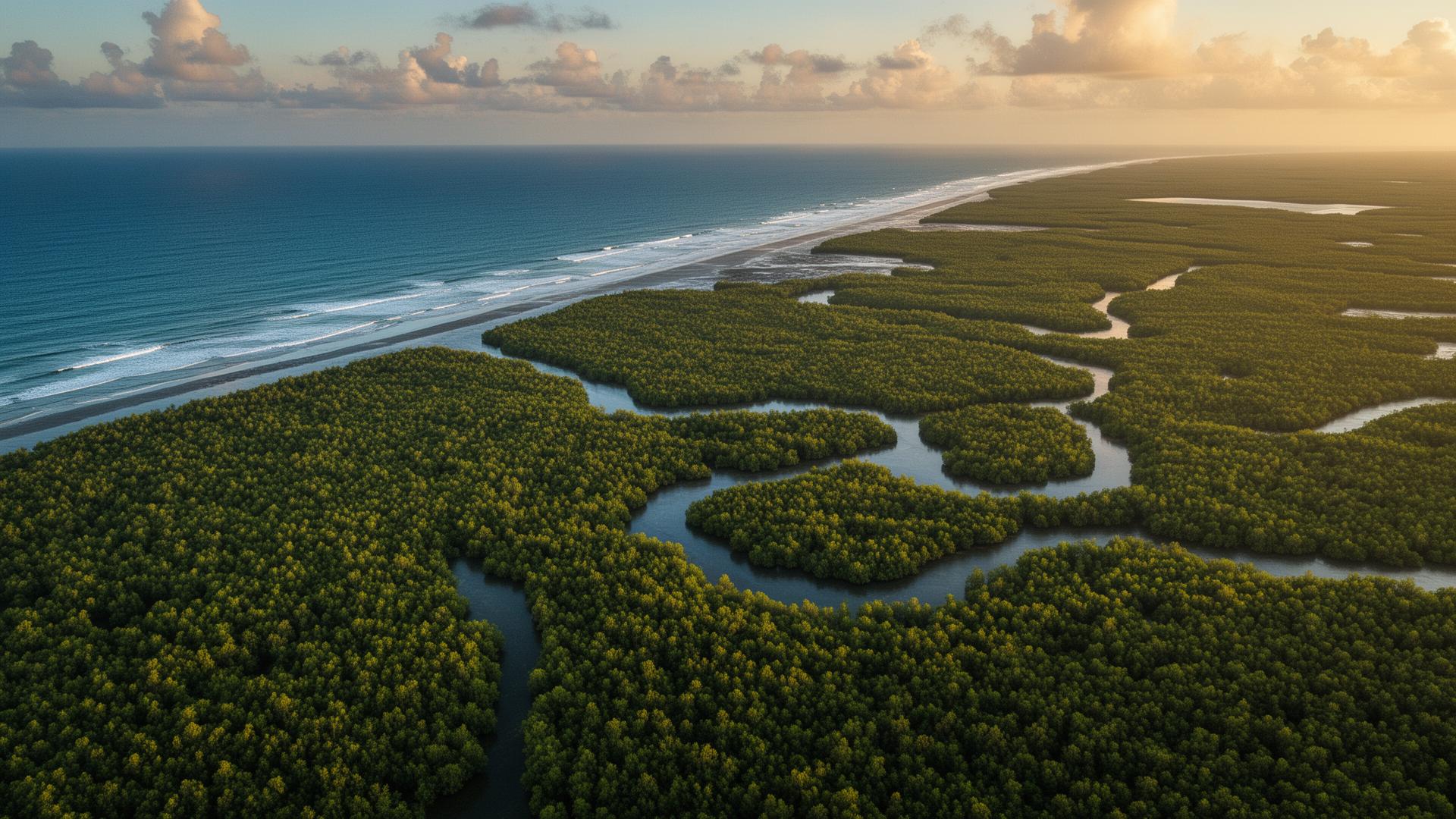
In this context, the Ijaw Nation, situated within the vast aquatic expanse of the Niger Delta, emerges as a pivotal actor. With a coastline stretching approximately 853 kilometers and a territory defined by an intricate network of rivers, estuaries, and mangroves, the Ijaw people possess the natural capital and indigenous expertise required to catalyze a new era of global prosperity.
Three Critical Blue Assets
By aligning traditional ecological knowledge with modern biotechnological and financial frameworks, the Ijaw Nation can transform from a region historically marginalized by extractive land-based oil industries into a global hub for sustainable marine innovation.
Foundations of the Global Blue Economy
The concept of the Blue Economy has evolved beyond simple marine industrialization to encompass a holistic source-to-sea approach, recognizing the interconnectedness of land, rivers, deltas, and the open ocean. For the Ijaw Nation, this paradigm shift represents a reclamation of their ancestral identity as Oru or Izon, a people whose history has been defined by the water for over 5,000 years.
The Niger Delta, covering approximately 70,000 square kilometers, is one of the most densely populated and ecologically rich regions in the world. Despite hosting the world's third-largest mangrove forest and significant hydrocarbon reserves, the region has suffered from chronic underdevelopment and environmental ecocide. The Blue Economy offers a restorative pathway that replaces the finite, high-emission model of petroleum extraction with an infinite, low-carbon model of aquatic stewardship.
Comparative Framework of Blue Economy Indicators
| Parameter | Value | Global Context / Significance |
|---|---|---|
| Global Ocean Economy | $2.5 trillion/year | If a country, top-10 world economy. |
| Niger Delta Area | 70,000 km² | One of Earth's richest wetland ecosystems. |
| Ijaw Coastline | ~853 km | Strategic Atlantic access. |
| Mangrove Coverage | 800,000 ha | 60% of Nigeria, 6% of global total. |
| Blue Economy Target | $20B by 2035 | Sustainable alternative to oil dependency. |
Historical & Anthropological Sovereignty
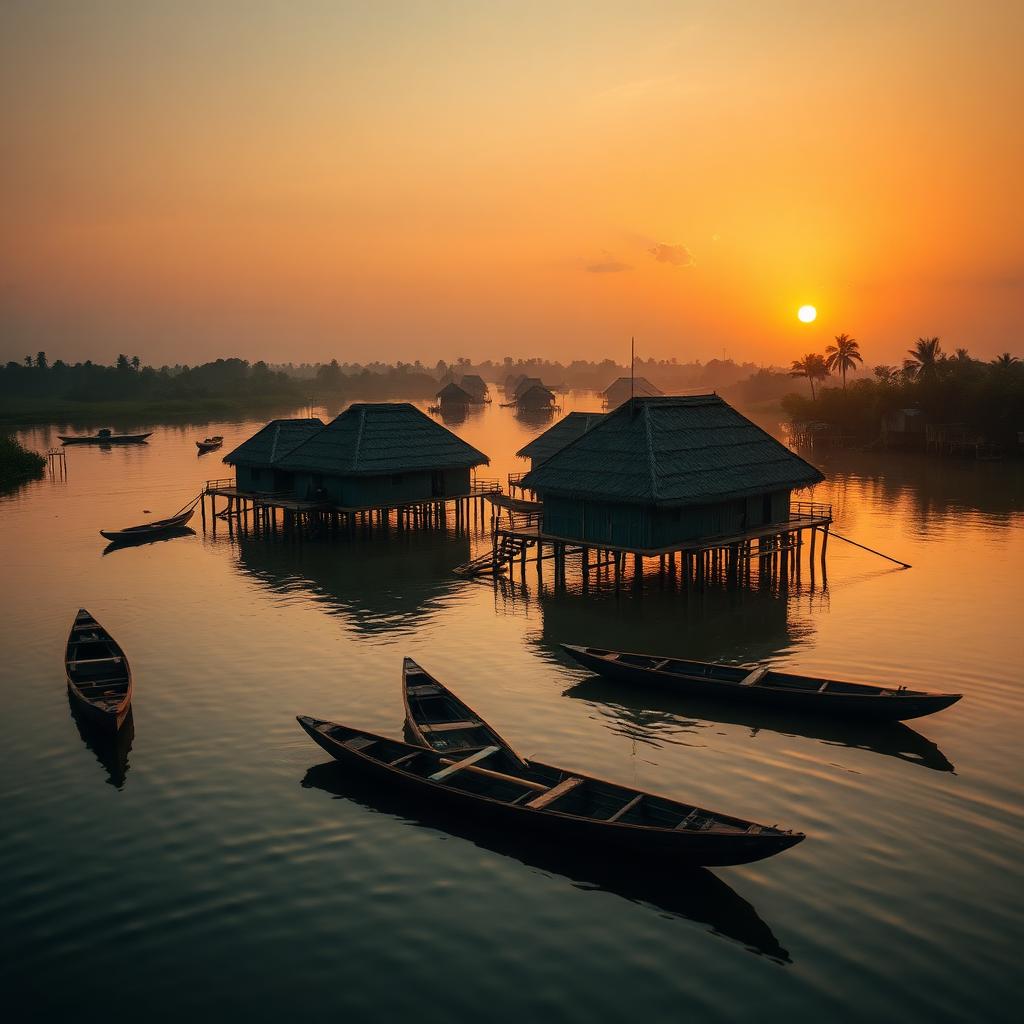
The Ijaw, often referred to as the Izon or Oru, are widely considered one of the oldest ethnic groups in what is now Nigeria, with archaeological evidence suggesting their presence in the Niger Delta as far back as 800 BCE. Their origins are traced through linguistic and oral traditions to the Nile Valley and Sudanic civilizations.
This historical trajectory has produced a culture uniquely adapted to wetland and maritime environments. The Ijaw developed sophisticated technologies for riverine navigation, floodland agriculture, and non-destructive fishing.
Cultural Pillars of Environmental Stewardship
The Amaseikumor festival, celebrated in the Gbaramatu Kingdom, means "do not pollute the land," and involves rituals aligned with tidal flows to reaffirm a "covenant of truth" or Izon-Gesi.
| Cultural Aspect | Manifestation | Implications for Sustainability |
|---|---|---|
| Ancestral Names | Oru (Original people) | Sovereignty over maritime territories and rights. |
| Water Deities | Amakiri (Spirit of the earth/water) | Inherent cultural barriers against ecocide. |
| Conservation Laws | Traditional taboos on fishing days | Protection of breeding stocks and biodiversity. |
| Migration History | Nile to Niger Delta routes | Pan-African connectivity and maritime trade roots. |
| Social Mobility | Acculturation of diverse groups | Inclusive economic models. |
Blue Carbon: The World's Respiratory System
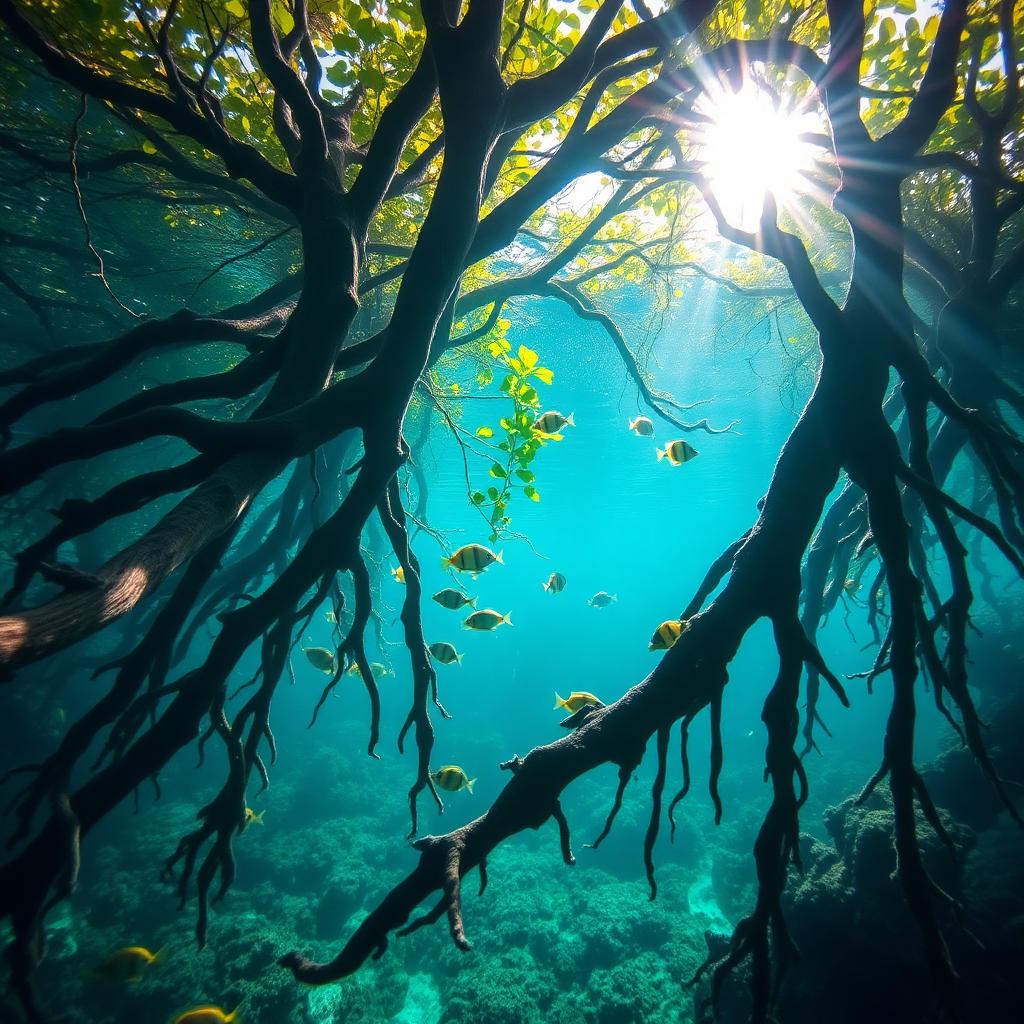
These "Blue Carbon" ecosystems are the most efficient natural carbon sinks on Earth, sequestering carbon at rates up to four times higher than terrestrial tropical forests. The Niger Delta hosts approximately 800,000 hectares of mangroves — 60% of Nigeria's total mangrove cover and 6% of the world's total extent.
In regions like Kibani, carbon stocks have been measured as high as 3,245.76 Mg C/ha, illustrating immense carbon-carrying capacity.
Carbon Sequestration and Mitigation Statistics
| Parameter | Niger Delta Value | Global Context |
|---|---|---|
| Total Carbon Stock | 2.2 GtCO₂eq | ~10% of global terrestrial carbon pool. |
| Sequestration Potential | Up to 20 tCO₂eq/ha/yr | 4× terrestrial forest efficiency. |
| Historical Loss | ~3,904 km² (1987–2022) | Higher than global annual loss rates. |
| Avoided Emissions | 60,000 tCO₂eq (Soil Carbon) | From specific 30-ha restoration pilots. |
| Economic Value | ~900,000/km² (Annual) | Total value of goods and services provided. |
| Revenue Potential | Up to $3B annually | Via National Carbon Market (NCMF). |
🌱 Free2Blue Africa Initiative
This program aims to restore nine billion mangroves by 2035, leveraging community-led stewardship to transform environmental protection into dignified livelihoods for women and youth. It is about rebuilding the ecological balance of the entire planet.
Offshore Renewable Energy
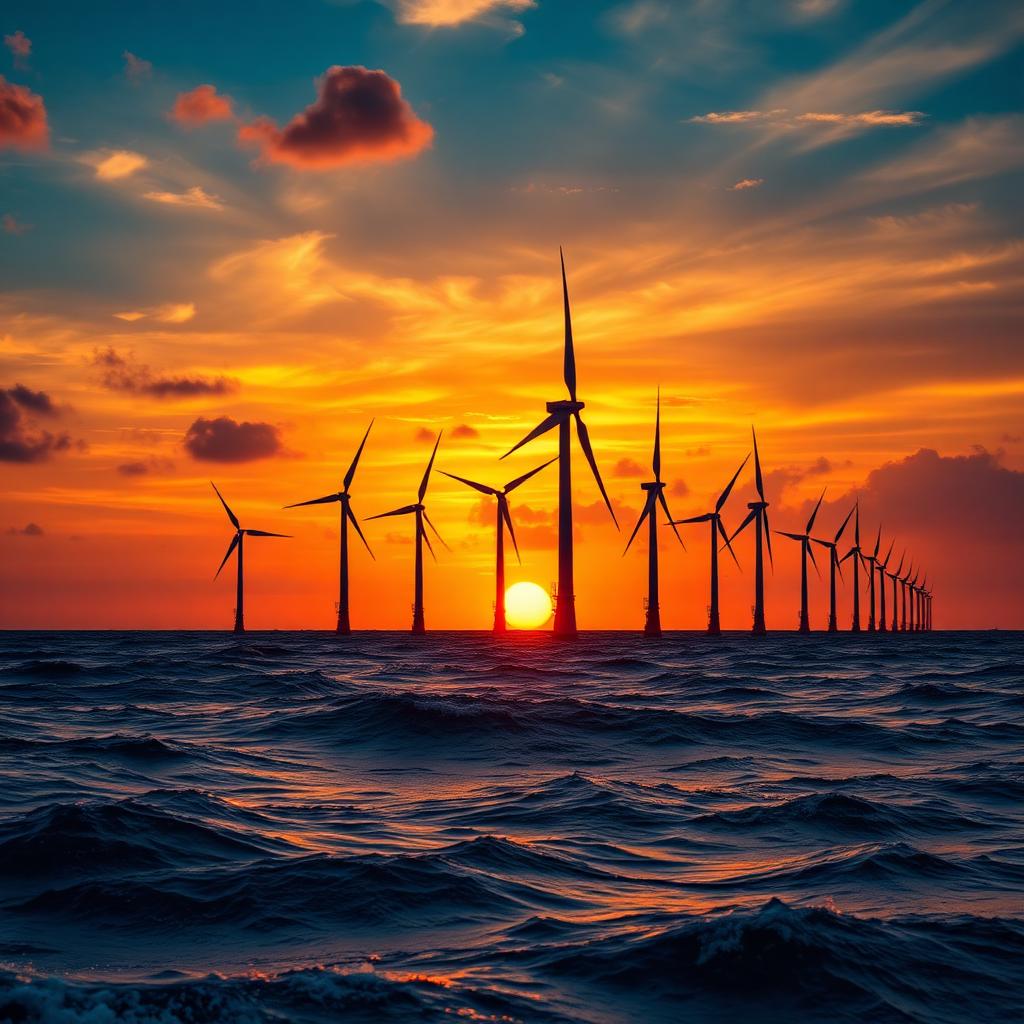
The offshore waters offer a compelling alternative through wind and wave energy. Technical assessments indicate offshore sites in the Gulf of Guinea possess four times the wind power potential (WPD) of coastal sites.
Offshore Wind Potential
| Techno-Economic Indicator | Offshore Site Potential |
|---|---|
| Max Wind Power Density | 361 W/m² |
| Suitable Turbine Model | Vesta V-117 (4-MW) |
| Project Payback Period | As low as 5.74 Years |
| Net Present Value (60-MW Farm) | Up to $62,000,000 |
| LCOE (Unit Cost) | 0.04 – 0.07 $/kWh |
Ocean Wave Energy: The Predictable Power Source
The coast off Brass shows an annual mean wave power of 31.42 kW/m, with peaks reaching 56.51 kW/m. The total annual wave energy potential is estimated at 1,712.1 MWh/m.
By developing hybrid systems combining wind, wave, and floating solar, the Ijaw Nation can provide clean energy for desalination, industrialization, and green hydrogen production.
Feeding 10 Billion: Blue Foods
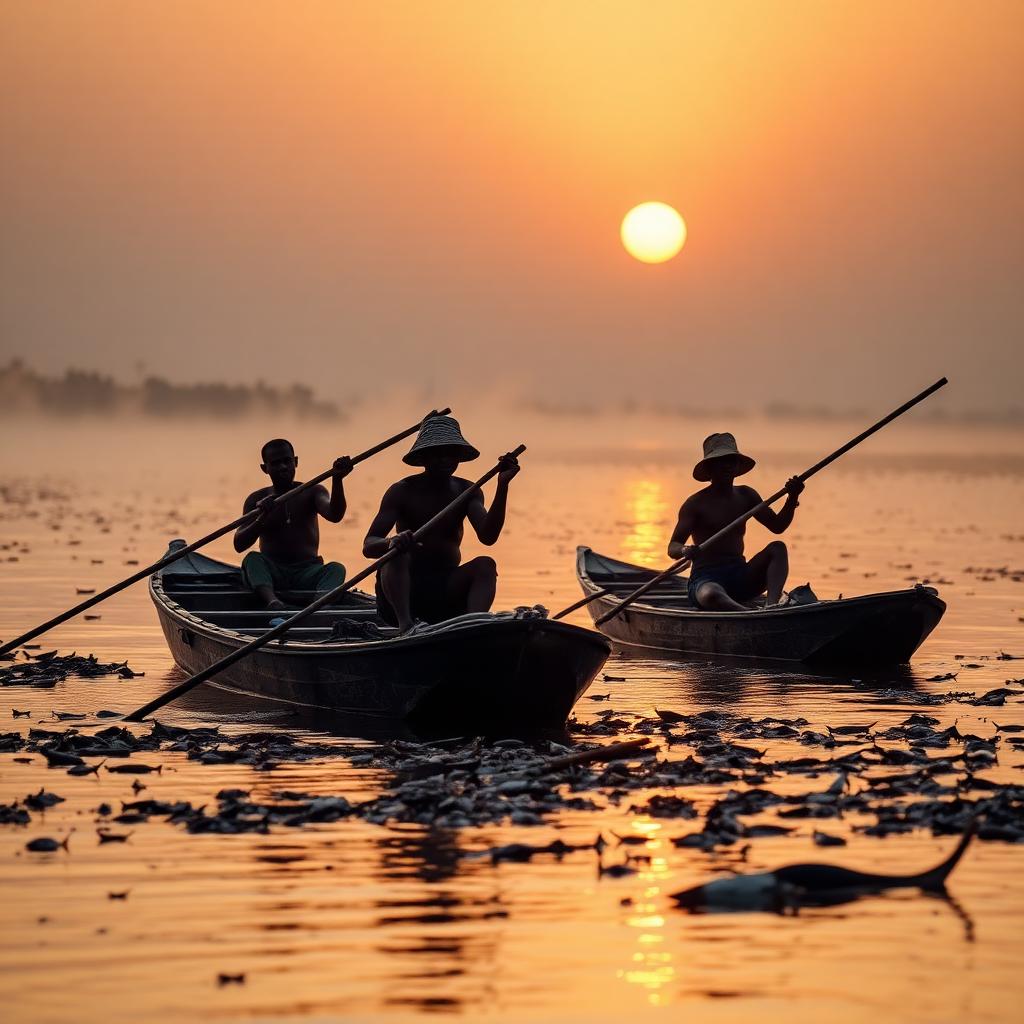
Aquatic foods provide vital nutrients to 3 billion people today. For a population projected to reach 10 billion, blue foods offer a nutrient density that exceeds most land-based animal proteins with a significantly lower environmental footprint.
The National Fisheries and Aquaculture Policy 2025–2029 aims to increase Nigeria's aquaculture output to 1.3 million metric tons by 2029.
| Nutrient / Metric | Blue Foods (Aquatic) | Terrestrial Animal-Source Foods |
|---|---|---|
| Species Diversity | > 2,300 caught / > 600 farmed | Beef, Pork, Poultry (93% of protein) |
| Environmental Footprint | Often lower GHG and land use | High land/water/GHG intensity |
| Nutrient Density | High in micronutrients/Omega-3s | Varies; often high in saturated fats |
| Livelihoods | 800 million people globally | Concentrated industrial labor |
An 8% increase in global supply of blue foods by 2030 could prevent 160 million cases of nutrient deficiency worldwide. The Ijaw Nation's water systems are ideal for diversifying into high-value species using Integrated Multi-Trophic Aquaculture (IMTA) systems.
Marine Biotechnology & Pharmaceuticals
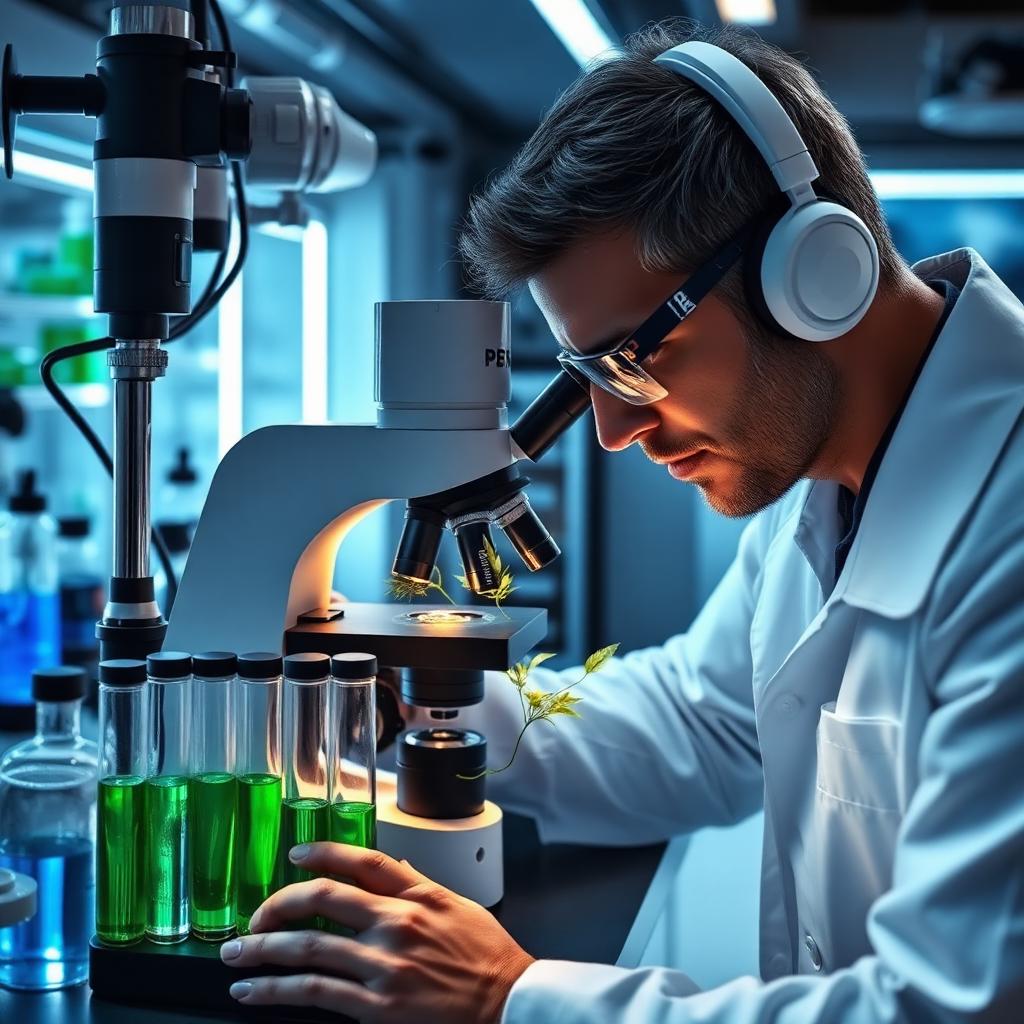
The extreme stress of intertidal zones forces mangrove plants (halophytes) to produce unique phytochemicals with potent pharmacological properties. Extracts from Avicennia marina and Rhizophora mucronata have shown promising activities.
Medical Potential of Mangrove Extracts
| Mangrove Species | Active Compounds | Biomedical Application |
|---|---|---|
| Avicennia marina | Alkaloids, Flavonoids, Tannins | Cytotoxic (Anti-cancer), Anti-arthritis |
| Rhizophora mucronata | Saponins, Phenolic acids | Antimicrobial (E. coli, S. aureus) |
| Acrostichum aureum | Terpenoids, Steroids | Wound healing, Anti-diarrheal |
| Excoecaria agallocha | Phytochemicals | Green synthesis of nanoparticles |
The Ijaw Nation can contribute to global pandemic preparedness and the treatment of chronic diseases like Alzheimer's and cardiovascular disorders.
Maritime Logistics: The 'Eastern Corridor'
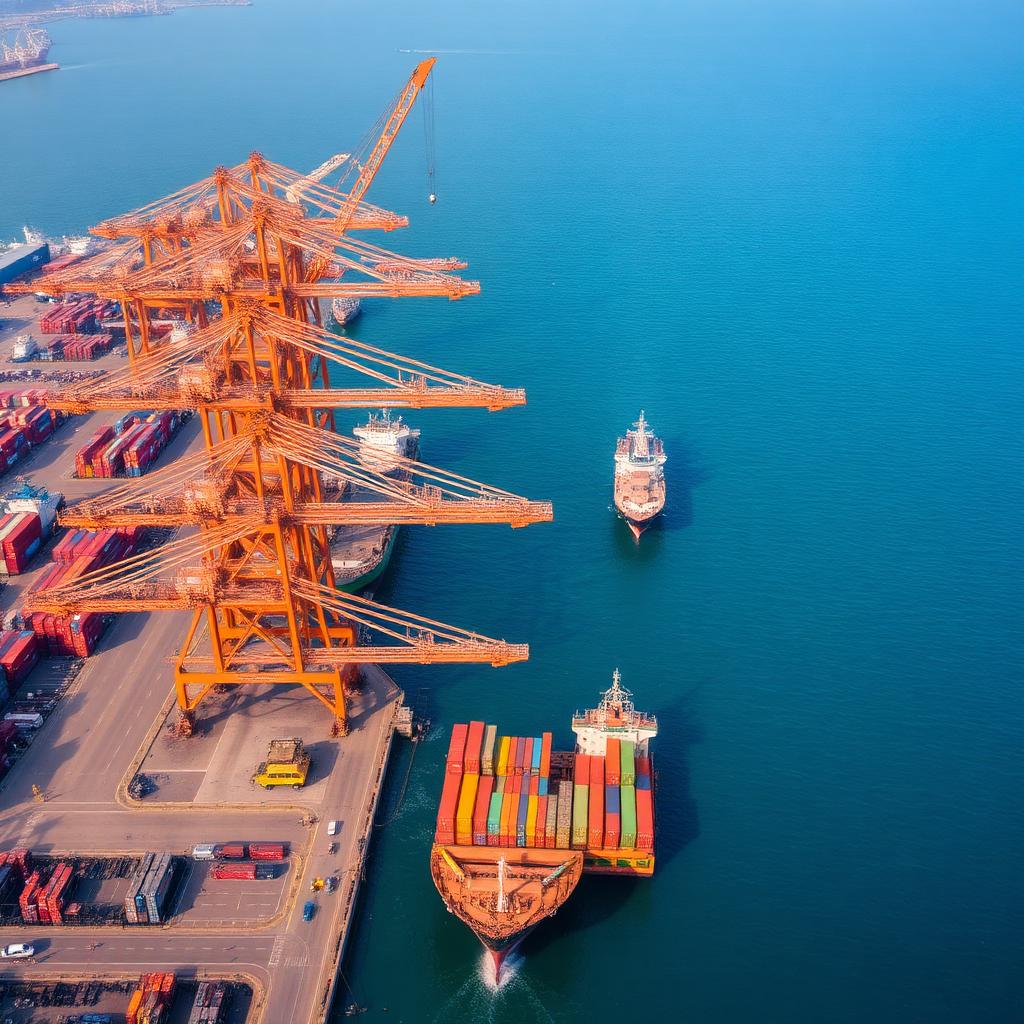
Over 80% of global trade moves by sea. The development of deep seaports at Bakassi, Ibom, and Agge is central to integrating the Ijaw Nation into global trade routes.
Infrastructure and Economic Connectivity
| Project Name | Status (2025–2026) | Strategic Objective |
|---|---|---|
| Bakassi Deep Seaport | Compliance Certificate Issued | Eastern corridor logistics hub |
| Ibom Deep Seaport | Reviving marine infrastructure | Decongesting Lagos / Regional trade |
| Agge Deep Seaport | Conceptual Planning | Direct deep-sea access for Bayelsa |
| Blue Economy Summit | Annual Strategic Platform | Mobilizing resource-based investments |
Financial & Regulatory Frameworks
The transition requires significant capital, estimated at 40% of Nigeria's GDP. The Federal Government has developed the Sustainable Bond Framework, including Blue Bonds to fund ocean economy projects.
| Policy Instrument | Function | Goal for Ijaw Nation |
|---|---|---|
| Sustainable Bond Framework | Use of proceeds for Blue Projects | Infrastructure financing |
| National Carbon Market (CMAP) | Carbon credit certification/trading | Monetizing mangrove sequestration |
| Climate Change Fund | Grants for mitigation/adaptation | Community-led reforestation |
| Marine & Blue Economy Ministry | Sectoral governance / Policy | Institutionalizing Blue Growth |
This regulatory architecture transforms the Ijaw Nation's natural capital into tradable financial assets, attracting FDI and positioning the region as a climate finance hub for Africa.
The Izon Pathway to Shared Global Prosperity
As the human population grows toward 10 billion, the Ijaw Nation offers:
"The 19th century was about land empires. The 20th century was about oil. The 21st century will be about oceans."
The Ijaw are not newcomers to this future. They are indigenous to it.
Water built the Ijaw. Water may now help the Ijaw help the world.
The Blue Economy is not just an economic policy. For the Ijaw, it is a civilizational return to strength.